






Will Your Roll-to-Roll Screen Printing Machine Deliver a Roll Your Die Cutter Can Run?
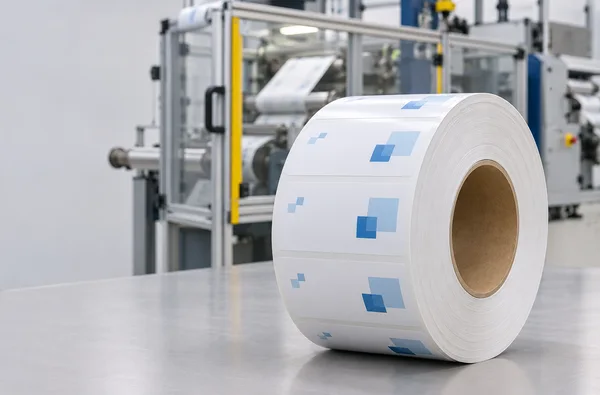
A roll-to-roll screen printing machine can pass a print sample and still deliver a reel that your die cutter cannot feed. Before accepting the machine, wind a representative roll on your production stock, inspect it, then unwind it on the next machine. A short strip tells you how the print looks. It leaves the roll handoff untested.
Agree on the roll the next machine needs
Ask the operator of the receiving machine for its loading and unwind requirements before writing the factory trial plan. Record the maximum finished outside diameter and weight, core inside diameter and usable core length, the side the print must face, and which edge or marks the next machine uses. Show the winding direction with a quick sketch. Terms such as “print side out” do not always settle which edge will lead when the operator threads the web.
Оборудование Winshol WL-350D single-color UV configuration lists a rewinding unit after printing and curing. The catalogue scope does not establish that a particular film will wind cleanly at your finished diameter or run on your die cutter. Put the handoff requirement in the quotation separately.
Separate unwinding faults from print faults
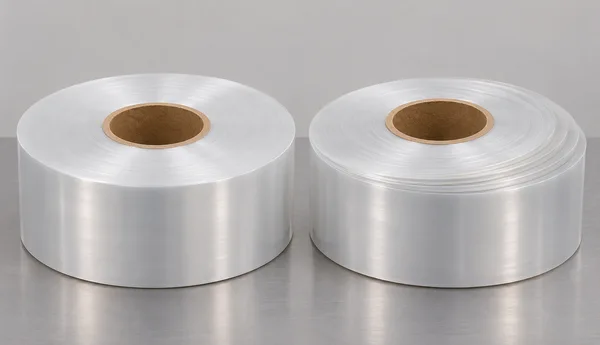
A stepped roll face is a symptom, not a diagnosis. Ask when it first appeared: on the winder, after the reel was moved, or at the next unwind. Maxcess’s winding defect guide describes dishing and telescoping as forms of progressive edge misalignment. Davis-Standard’s winding guidance explains why material and winding method affect roll hardness. Neither gives a universal setting for your stock. Use the trial to check what the roll does, then let the equipment and material teams investigate the cause.
| Check point | Что записать | What to agree in advance |
|---|---|---|
| Roll identity and fit | Stock lot, width, core, finished diameter and weight, start end and print orientation | Which core and finished-roll envelope the next machine can accept |
| Roll face and core | Photos of both faces and core; measured edge offset at the agreed reference | Allowed edge offset and unacceptable core damage or movement |
| After the regular wait or move | Handling method, elapsed time and any change in the reel shape | Whether acceptance includes a hold or transport before unwind |
| Receiving machine | Threading, tracking, stops and defects from outer, middle and near-core material | Trial speed, minimum run length and how tracking or conversion defects are counted |
Make the rewind trial long enough to show the handoff
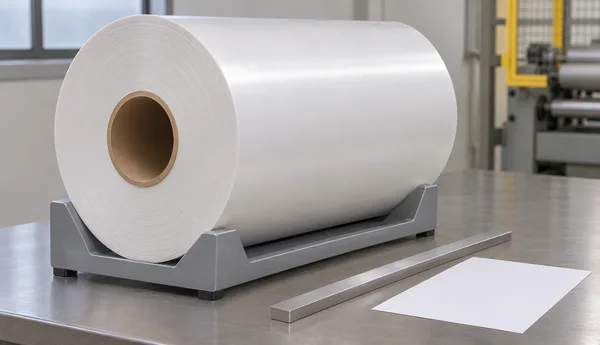
Run the actual stock, liner and print coverage. Name the target finished diameter in the trial plan. A reel a few wraps deep can help you check orientation, but it cannot stand in for the diameter you intend to ship. Save the machine settings, stock lot and trial roll ID together so the supplier can retest a failed run on the same basis. If a setting is not measured or available, record it as unknown instead of filling in a nominal value.
Take both roll-face photos after safe removal and before packaging. If reels normally sit before conversion, repeat after a representative hold under agreed conditions. Inspect only with the material secured and equipment stopped under the site procedure. Do not place a straightedge or hand near a rotating reel.
Finish the test on the receiving machine
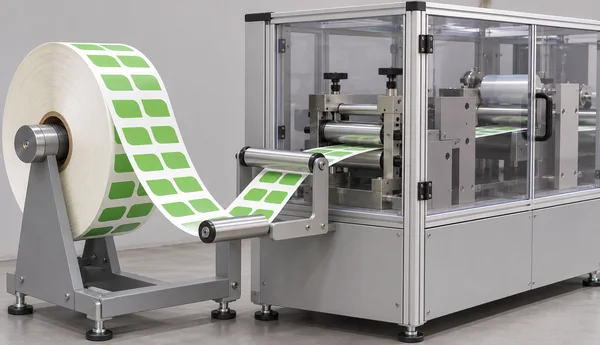
Thread the trial reel as a normal job. Watch whether the reference edge stays usable and whether tracking changes from the outside wraps toward the core. Record the position of any crease, edge shift, layer that sticks, or stop the operator must make. If die cutting is in scope, compare converted pieces from the agreed sections against the approved artwork and cut reference. Keep the press print result separate from the downstream result so you know which part of the handoff failed.
If the press supplier does not have your die cutter, agree what can pass at the factory and what stays open until a named roll runs at your site. Use the Winshol machine-trial worksheet as a starting point, and add the roll drawing, the receiving machine’s limits and the person responsible for signing off the conversion test.
Часто задаваемые вопросы
1. Is an approved print sample enough to accept the finished roll?
No. The print sample proves the appearance of the sampled section. Accept the roll only against the agreed roll-format, handling and downstream run checks.
2. What is telescoping on a printed roll?
It is a sideways shift of wound layers that creates an uneven or stepped roll face. Record the direction, location and amount of the shift rather than assuming its cause.
3. What finished roll dimensions should I specify?
Specify web width, core inside diameter and usable length, maximum outside diameter and weight, and the edge-offset limit required by the next machine.
4. Does a straight edge prove that a roll will unwind well?
No. A straight face helps, but a roll can still have tight or loose areas, incorrect winding direction or layers that do not separate cleanly. Check it on the next machine.
5. What tension setting should I ask the supplier to use?
Ask for the rewind settings that pass the trial on your material, at your representative finished diameter. There is no single tension or taper setting that applies to every film and label job.
6. What if the supplier does not have my die cutter?
Agree on a roll inspection at the factory, then ship a labeled trial roll for validation on your own equipment. State in writing which acceptance items remain open until that run.
7. Should I check the reel again after transport or storage?
If the job normally waits before conversion, yes. Specify a representative wait and handling method, then recheck the roll face and unwind behavior after it.
8. Does the WL-350D UV configuration include die cutting?
Its published configuration lists a rewinding unit, not a die-cutting unit. Confirm the line scope and any separate conversion step in the quotation.