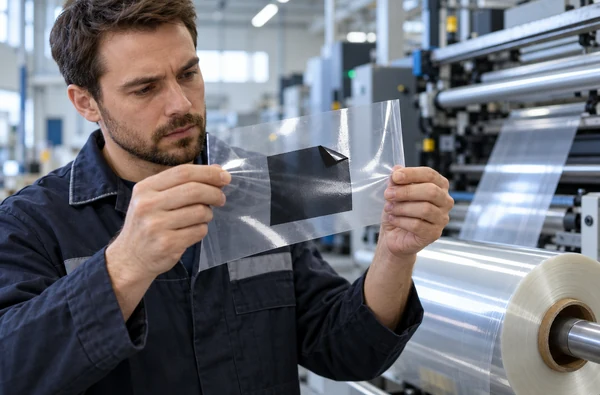



An anti-static bar alone is not a specification. Locate the charge problem, distinguish grounding and cleaning, then agree placement, measurement geometry and acceptance checks.

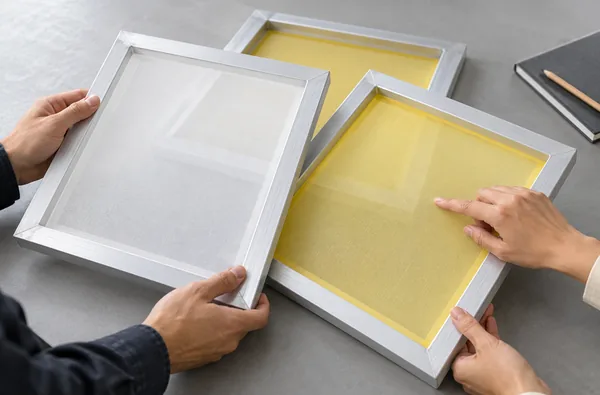
Equal mesh counts can produce different prints. Compare thread diameter, openings, weave and thickness with the ink and stencil; preserve the approved construction for repeat orders.
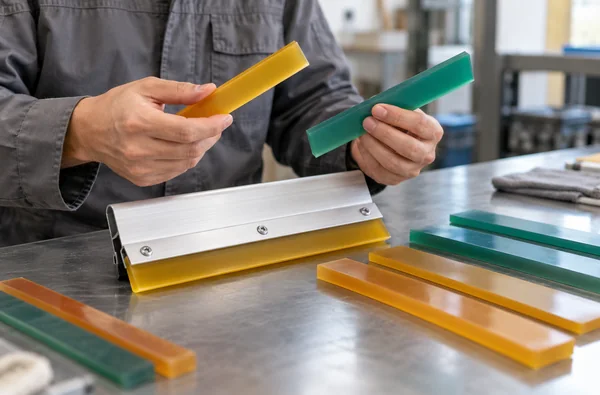
Hardness is only one blade parameter. Specify compound, construction, edge, dimensions and holder fit, then qualify chemical compatibility and the complete assembly against print requirements.
Diagnosis label sablon yang saling menempel dalam gulungan. Bedakan blocking tinta dari rembesan perekat, lalu uji curing UV, penggulungan, dan penyimpanan.
Temukan penyebab lubang kecil pada label sablon. Bedakan cacat stensil dari tinta yang tidak tercetak, lalu uji bahan, tinta, pengaturan mesin, dan curing UV.
Cari penyebab tinta sablon mengelupas dari PET. Periksa sisi cetak, perlakuan permukaan, endapan tinta, dan curing UV melalui uji terkendali.
Bandingkan mesin sablon untuk film kemasan fleksibel. Periksa lebar bahan, area cetak, curing UV, dan foil dingin sebelum menguji WL-6090D dan WL-850D.
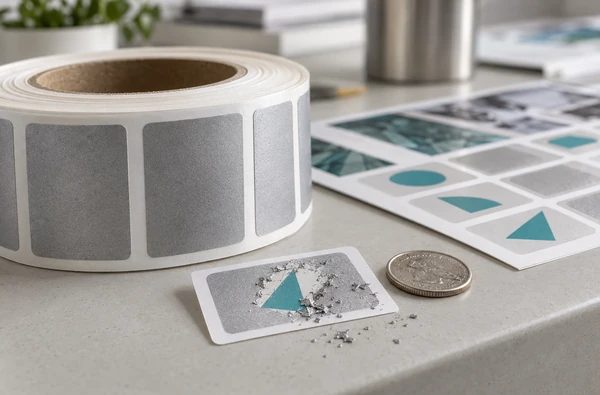
Choose a screen printing machine for scratch-off labels. Compare UV and solvent inks, seal coats, registration and Winshol models with a finished-label test.
Pilih mesin sablon untuk label transparan. Bandingkan tinta putih, registrasi, curing UV, dan model Winshol melalui uji bahan serta pemeriksaan label terpasang.
Compare single-color and multicolor screen printing machines for labels. Review Winshol models, printing stages, registration, UV curing and job costs.