OEM/ODM

WinsholOEM/ODM
OEM / ODM & custom engineering

Your market.Our engineering.

OEM and ODM industrial screen printing equipment for qualified distributors, integrators and manufacturing partners. Our priority markets are India and Southeast Asia; other projects are reviewed against the application and support requirements.

Factory
Direct engineering
20+
Factory destinations*
Modular
Line architecture
Tested
Before delivery

*The shared manufacturing operation reports equipment supplied to more than 20 countries and regions in its catalogue. This is the factory's track record. See market and manufacturing details.

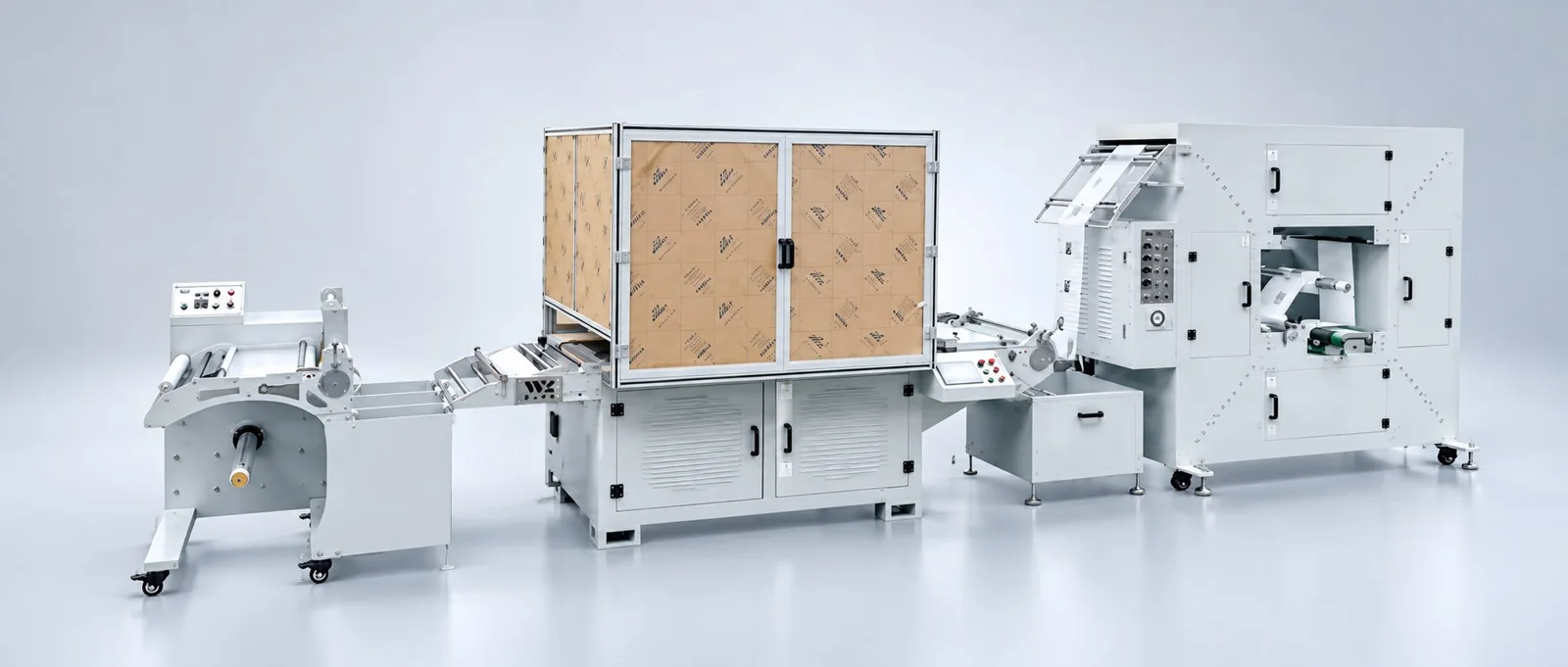
Winshol automatic roll-to-roll screen printing production line

Proven platform · Project-specific result

CONTROLLED MANUFACTURING

Capital equipment

More than a logo change.

For a high-value production line, OEM/ODM means controlled engineering: a defined application, documented changes, clear service responsibility and measurable acceptance standards. Every project starts with technical fit—branding comes after the machine can do the job.

Choose the right cooperation model

Three paths.One engineering standard.

The right model depends on who will sell, operate and support the machine. We define the boundary early so that brand ownership, technical responsibility and after-sales expectations remain clear.

OEM

Your brand on a proven platform

A practical route for established distributors who want a market-ready machine without rebuilding the engineering from zero.

  • Logo, color, nameplate and interface branding
  • Localized manuals and sales documentation
  • Market-specific electrical and safety adaptation
ODM

A solution co-developed for your market

For partners with a defined application, customer base or product concept that needs deeper mechanical and process development.

  • Application study and engineering proposal
  • Module, control and workflow development
  • Defined ownership, testing and change control
CUSTOM

Winshol-built for a specific process

For end users who need the right production line rather than a private label—from substrate trials to final acceptance.

  • Configured around material, ink and output
  • Integrated printing, curing and web handling
  • Winshol brand, engineering and support
Customization scope

Configure what matters.Keep what is proven.

We start with a stable machine architecture, then adapt the parts that affect market fit, process performance and operator experience.

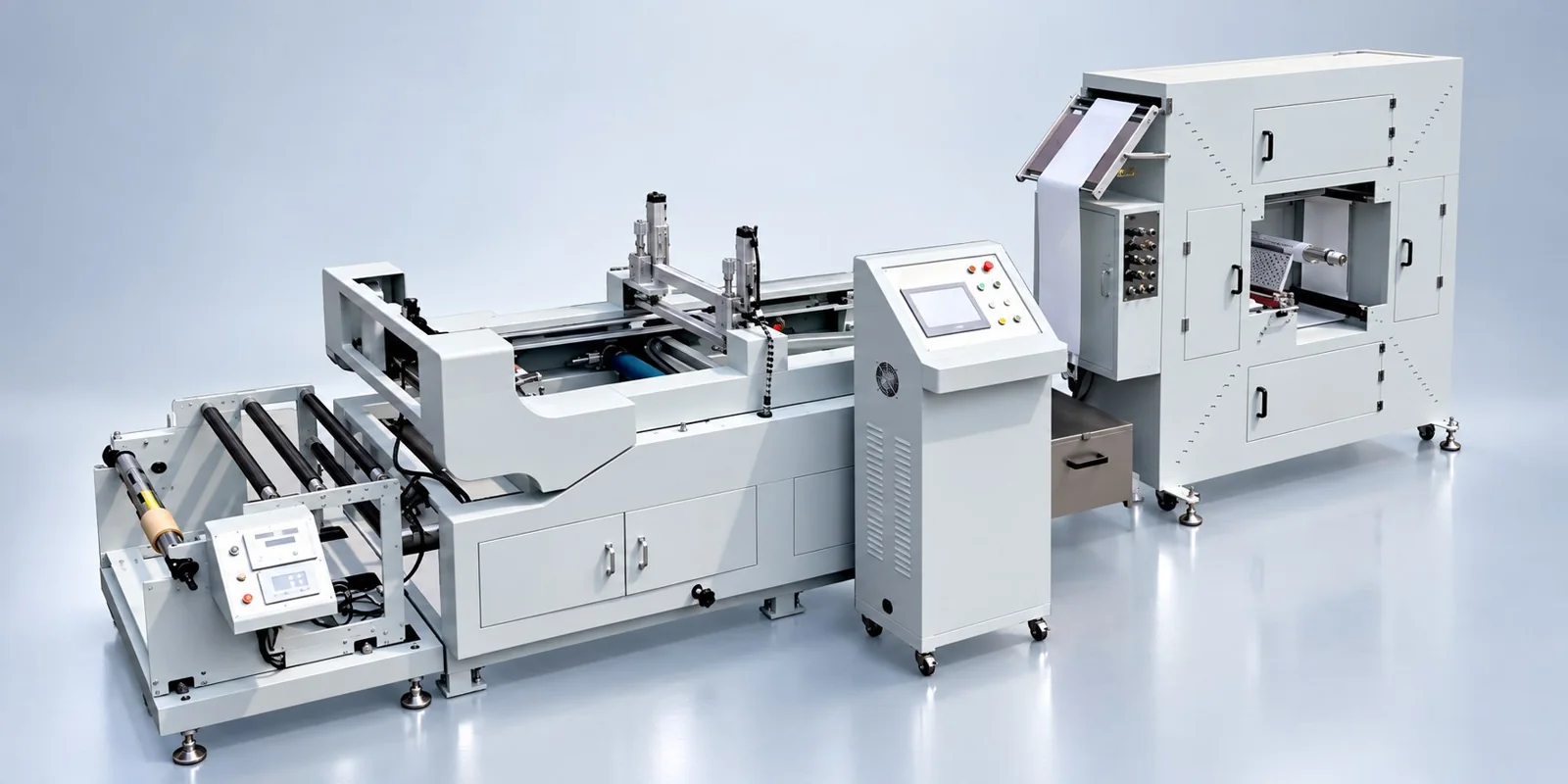
Winshol CCD registration screen printing system
01

Brand & exterior

A consistent identity for your market without compromising machine serviceability.

  • Logo and machine name
  • Panel color and decals
  • Nameplate and packaging
  • Branded HMI start screen
02

Electrical & control

Controls aligned with local utilities, operator expectations and approved component lists.

  • Voltage and frequency
  • HMI language
  • PLC and servo options
  • Remote-support readiness
03

Print & process modules

A production line assembled around the actual substrate, ink and finished result.

  • Print stations and web width
  • CCD or mark registration
  • UV / hot-air drying
  • Cold foil and web handling
04

Documents & market support

The materials your sales and service teams need to represent the machine responsibly.

  • Localized user manual
  • Spare-parts documentation
  • Training materials
  • Project compliance file
The responsible way to private-label

Clear roles protectboth brands.

Large industrial equipment creates long-term obligations. A successful partnership defines who designs, sells, installs, services and supports each machine before production begins.

Written technical scope

Specifications, drawings, approved components and change-control points are agreed in advance.

Measurable acceptance

Testing methods and delivery criteria are defined around the real application.

Market responsibility

Certification, labeling, sales territory and local service roles are made explicit.

Lifecycle support

Documentation, training, spare parts and technical escalation continue after shipment.

Project workflow

From market brief to working line.

A gated process keeps commercial decisions and engineering decisions aligned.

01

Define the brief

Share your target market, substrate, print area, ink, speed, accuracy and preferred commercial model.

02

Review the application

Our engineering team checks feasibility, risk, required modules and whether sample testing is needed.

03

Validate the material

Where needed, we test your material, artwork and ink to establish a repeatable process before final configuration.

04

Lock the solution

Both sides confirm scope, drawings, branding, responsibilities, acceptance criteria and commercial terms.

05

Build & accept

The machine is manufactured, inspected and demonstrated against the agreed factory acceptance plan.

06

Deliver & support

We coordinate documentation, shipment, installation guidance, training and long-term parts support.
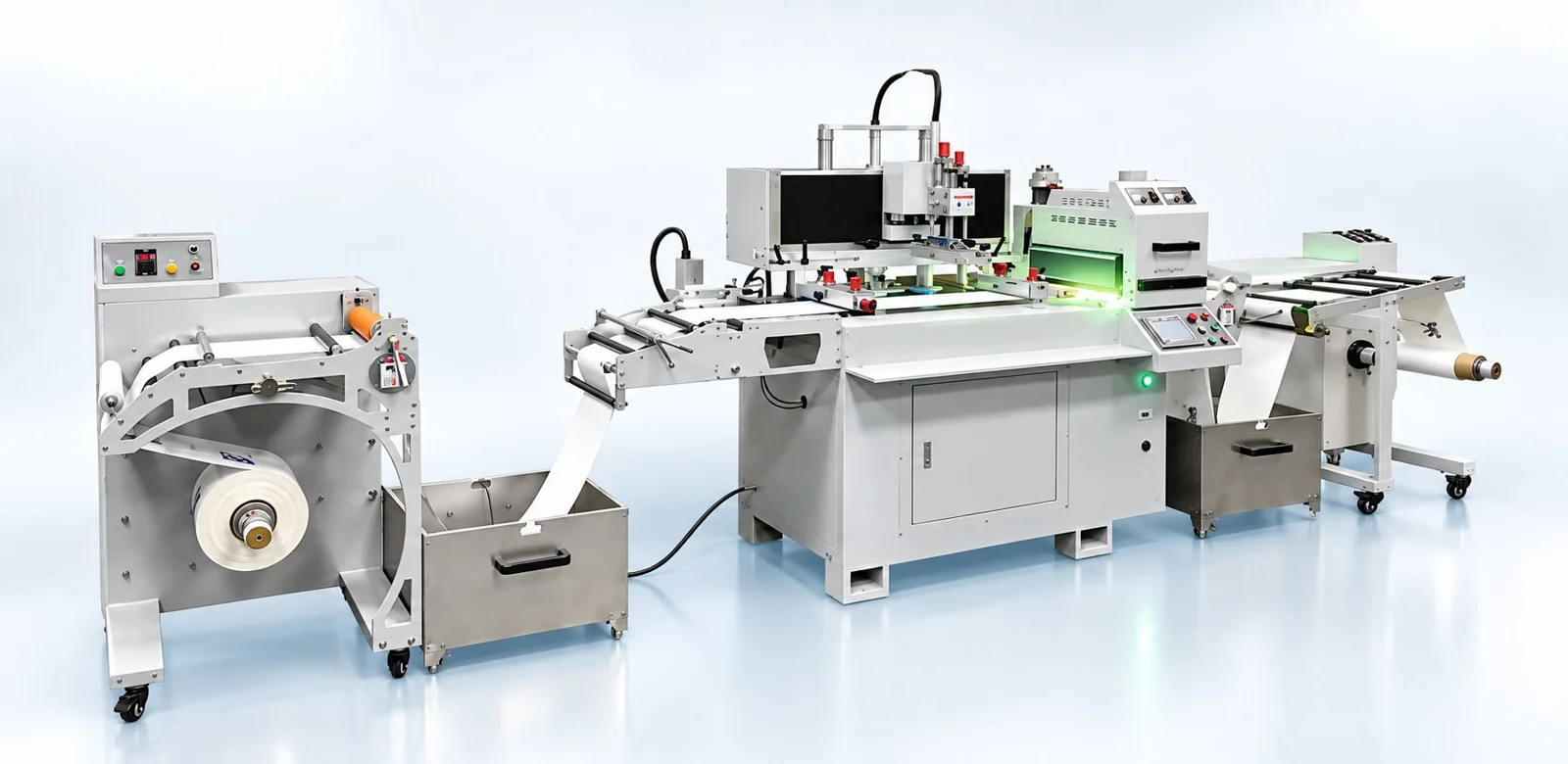
Modular Winshol roll-to-roll screen printing line

Built as one line

Print · Register · Cure · Rewind

Engineering foundation

Custom does not mean unproven.

Winshol combines established print, registration, curing and web-handling modules into a line designed for the customer's material and production target. This keeps development focused on the areas that create value—and reduces unnecessary project risk.

Roll-to-roll screen printing
CCD visual registration
UV and hot-air drying
Cold foil integration
Sheet-fed and rotary systems
Unwinding and rewinding
OEM / ODM questions

The details partners ask first.

Can Winshol provide OEM branding for a single machine?

It depends on the machine platform, branding scope and partnership plan. Simple brand and documentation changes may be possible on one project, while deeper OEM or ODM programs normally require an ongoing commercial commitment. We confirm this after reviewing the brief.

Can the machine carry our brand instead of Winshol?

Yes, private-label arrangements can be discussed for qualified partners. Brand presentation, manufacturer identification, technical documentation, certification responsibilities and after-sales roles are defined before the order is accepted.

What is the difference between OEM and ODM for this equipment?

OEM usually starts with a proven Winshol platform and adapts branding, documentation and selected specifications. ODM involves deeper co-development for a defined market or process, which may include new modules, control logic, mechanical changes and additional validation.

Can you test our material before finalizing the machine?

Yes. For application-driven projects, we recommend providing the substrate, artwork, ink information, target speed and quality standard. The results help us select registration, drying and web-handling configurations with less project risk.

Who is responsible for installation and after-sales service?

The service model is agreed project by project. Winshol can provide technical documentation, remote support, training and parts supply, while qualified distributors may handle local commissioning and first-line service. The division of responsibility is written into the proposal.

How long does an OEM or ODM project take?

Timing depends on the level of engineering, sample tests, component choices and acceptance requirements. A platform-based OEM project is typically more straightforward than a new ODM configuration. We provide a project schedule after the technical scope is confirmed.

Start with a project brief

Tell us what the machine must achieve.

We will help determine whether OEM, ODM or a custom Winshol configuration is the most responsible path.

Include these six points

01Target market & brand
02Material & thickness
03Ink & drying method
04Print area & accuracy
05Target production speed
06Service & certification needs
English and localized project documentation available.