






Will Your Film Rolls Fit a Roll-to-Roll Screen Printing Machine?
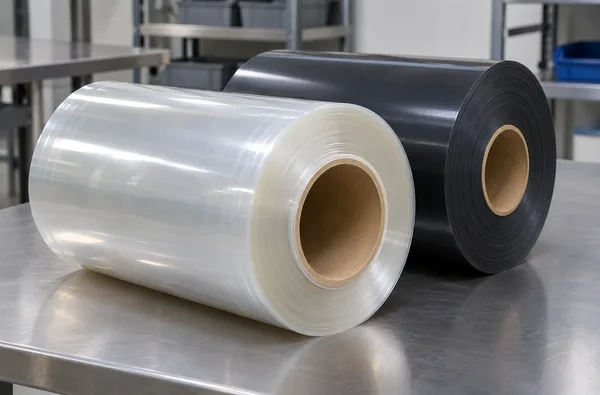
Before ordering a roll-to-roll screen printing machine, have the supplier approve two roll drawings: the film roll you will load and the finished roll you need to remove. The film can be narrow enough to pass through the press and still arrive on a core the unwind cannot grip.
Describe the incoming roll as it arrives
Send a drawing or clear side and end photographs with dimensions. Include the core inside diameter and tolerance, core length and material, roll outside diameter, actual full-roll mass, web width and which face is out. Indicate the feed direction and printable face on the sketch. If a liner or protective film stays on the web, show that layer and include it in the roll you want the supplier to review.
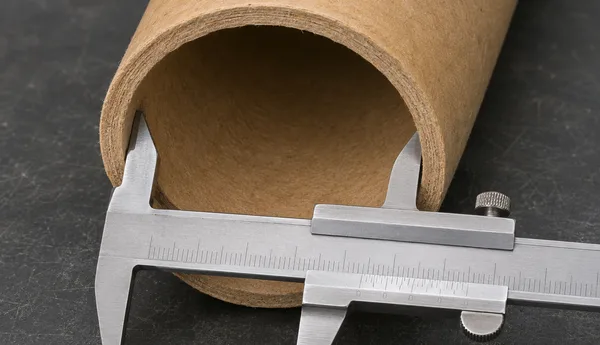
Do not substitute a core outside diameter for its bore. The OSHA printing glossary distinguishes the hollow roll core from the shaft that enters it. The Maxcess Tidland shaft application form also asks for the core ID, outside diameter, material, roll dimensions and weight separately. Those are categories to put in your own purchase brief, not ratings for your press.
Ask what actually grips the core on each end of the proposed line: a through shaft, a chuck or another arrangement. The Tidland center-shaft manual describes how its expanding elements grip the core. For the selected press, ask the supplier to confirm the acceptable core length and condition, where the grip lands and whether any adapter is approved for that configuration. A reused core may measure correctly at one end and still be damaged where it is meant to grip.
Specify the roll the next machine must receive
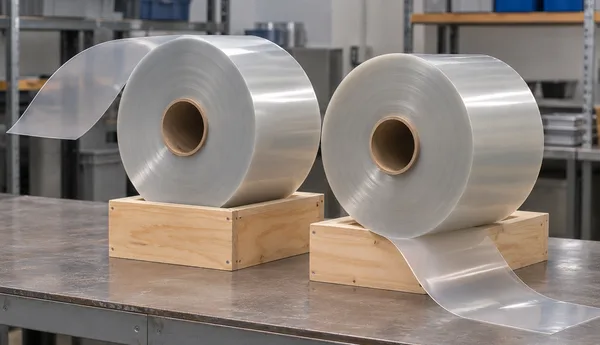
The take-up roll does not have to match the incoming roll. A slitter, laminator or customer’s machine may require a different core, roll diameter, maximum mass or wound face. Ask the receiving operator for the roll drawing and have them mark which edge and face should lead off the roll. Terms like “wound out” help only if everyone knows which surface they describe. Avery Dennison’s rewinder manual, for example, distinguishes labels wound in from labels wound out.
| Check | Incoming film at unwind | Finished print at rewind |
|---|---|---|
| Core | Actual bore and tolerance, length, material and condition. | Core the next process requires; written approval for the offered rewind grip. |
| Full roll | Outside diameter, width and measured full mass, including core and liner. | Target outside diameter, width and full mass accepted by both rewind and receiving process. |
| Orientation | Printable face, lead-off direction and any material layers that remain. | Printed face in or out, lead edge and direction as the next operator sees it. |
| Handling | Approach, loading aid, fitted shaft mass if applicable, and access to close guards. | Unloading aid, space to remove the full roll, and path to the next process. |
If the supplied reel and the required finished reel are different sizes, ask whether the line can meet both requirements as quoted. If the film supplier can ship on a compatible core, compare that cost with re-reeling the stock yourself. Ask whether the machine supplier can offer an approved adapter instead. Quote the extra handling and confirm the finished roll still suits the next process.
Get the allowed roll combinations in writing
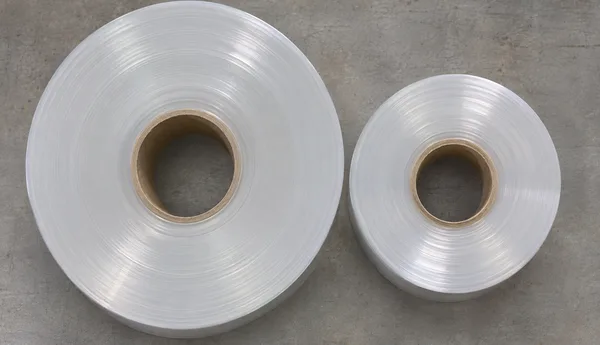
Do not combine the biggest listed outside diameter, heaviest roll and highest speed unless the equipment supplier approves that combination. Give the supplier the actual roll cases you intend to run. Ask for written acceptance for each case on the supplied shaft or chuck, stand and handling arrangement. Have the supplier identify any conditions or limits that change across those cases, rather than copying the press’s web-width figure into the approval record.
Winshol’s WL-350D UV model page lists an unwinding unit and a rewinding unit. It asks buyers to verify the core, roll diameter and weight for the job. Treat those entries as the starting point for a written configuration review, not approval for a particular roll. The related web width and print area guide covers a different check: whether your artwork and side clearances fit.
Agree what the supplier will demonstrate
Have the supplier’s qualified team demonstrate loading the approved roll with the specified handling aid, seating it correctly and threading the right face. Agree which portion of the run will be observed, including a representative full-roll start and near-core operation if your acceptance depends on both. At rewind, check that the outgoing roll can be removed with the agreed equipment and presented in the orientation the next process expects. Do not run beyond approved limits to see what happens.
A short run on a small reel can show that the film feeds. It does not tell the operator whether a full production reel clears the loading fixture. Ask for a dated report with the roll IDs, equipment configuration, agreed checks and unresolved items. If the line will need a separate web-guiding rewind pass, qualify that operation independently. A centered edge does not prove the roll fits the printing machine.
Send both roll drawings, the material data and your available loading equipment to Winshol. Ask the team to confirm the quoted roll-handling hardware, operating limits and what it can demonstrate with your stock.
Frequently asked questions
1. Does maximum web width tell me if my film roll will fit?
No. Check the core and gripping hardware, full-roll diameter and mass, winding orientation and the loading path. Get approval for the actual roll on the quoted equipment.
2. Which core dimension should I send to the machine supplier?
Send the inside diameter and tolerance as well as the core length, material and condition. Give the outside diameter separately if the supplier requests it.
3. If the outside diameter is allowed, is the roll mass also allowed?
Not necessarily. Send the full-roll mass as a separate value. Ask the supplier to approve the actual diameter, width, mass and operating conditions together.
4. Do the unwind and rewind need the same core?
No. The incoming material and the next process may require different cores. Confirm each core with its own gripping hardware and agree what the finished reel must look like.
5. How should I specify whether the finished roll is wound in or out?
Mark the printed face, lead edge and direction of travel on a roll sketch. Have the operator of the next machine confirm that orientation before the print trial.
6. Can I use an adapter if my current cores do not fit?
Only consider an adapter specified and approved by the equipment supplier for the affected roll cases. Check its impact on the permissible load, grip and handling before buying.
7. Is a trial with a small roll enough before accepting the machine?
It proves only the observed setup and conditions. If full-roll loading, diameter changes or near-core unwinding matter to acceptance, agree how the supplier will verify them.
8. What should be written into the machine quotation?
Identify the supplied unwind and rewind hardware, approved roll cases, handling equipment, required finished orientation and trial checks. List any items or approvals still open.