






Can You Screen Print Both Sides of a Plastic Sheet? 3 Checks Before You Buy
Yes. You can screen print both faces of a plastic sheet if each face accepts the ink and the first print survives turning, refeeding and the second pass. A two-color press can still put both colors on one face. Before buying an automatic screen printing machine, have the supplier show you where the sheet turns and how the second image will line up with the first.
1. Mark the two printing faces before you choose a press
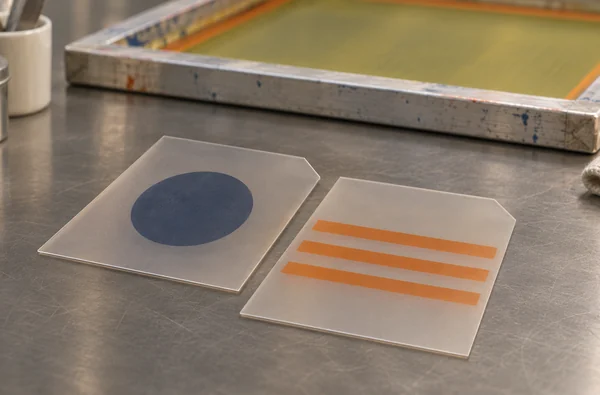
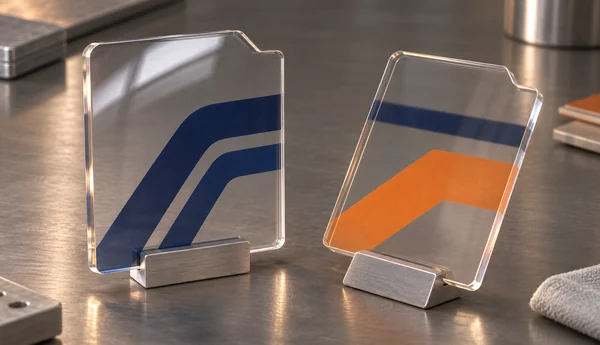
Label the drawing Face A and Face B. For each graphic, show the face that receives ink and the side from which it will be read. Mark the edge or corner used to locate the sheet. If the front is clear, distinguish a graphic printed on the back and read through the front from ink actually deposited on both faces. Printing multiple layers on the back of an overlay is still a one-face job.
Specify the exact plastic grade, thickness, finish and any treatment, coating or liner on each face. One side may have a different texture or be prepared differently for printing. Ask your ink supplier to confirm each ink-to-face combination and the drying or curing route. As examples, Nazdar describes a mirror silver ink intended for second-surface printing on transparent polycarbonate film, while its NSC crystal clear range is described for first- or second-surface printing on specified materials. The examples show different intended uses for particular ink grades. Confirm yours with the ink supplier.
Check the orientation with a letter or a feature off to one side before making the screens. A centered circle can look right even when the sheet has been turned the wrong way.
2. Ask how the sheet turns and how the first print is protected
Follow one sheet through the proposal. In a two-pass setup, print the first face and prepare it for handling as the ink supplier specifies. The sheet then turns and goes back through for the other face. A dedicated flip station puts that step in the line. Ask whether the turn is manual or automatic, and what locates the sheet before it is printed again. A.W.T.’s Hercules brochure explicitly lists a flip station for two-sided printing, separate from its color count. It is an example of how to document a turn, not evidence that any Winshol model includes one.
| Proposed route | What the supplier should show | What the quote must spell out |
|---|---|---|
| One press, two passes with a separate turn and refeed | The transition from Face A to Face B, which edge is used after turning, and how the first print is protected during stacking and refeed. | Who handles the turn, whether a second locating setup is needed, and where drying, staging and inspection occur. |
| Line with a dedicated turnover stage | The actual turn, pickup and locating sequence at the next station using your sheet stock. | Whether turning is manual or automatic, what handling and curing units are included, and which party integrates them. |
At refeed, the printed face may touch the table, locating tooling, conveyors or other sheets. Look for contact marks and ink transfer where the first print touches those surfaces. Check Face A again after the second drying or curing cycle. Have the supplier demonstrate its approved handling sequence. Do not turn sheets inside the press outside that procedure or alter guards for a trial.
3. Measure front-to-back alignment on the finished sheet
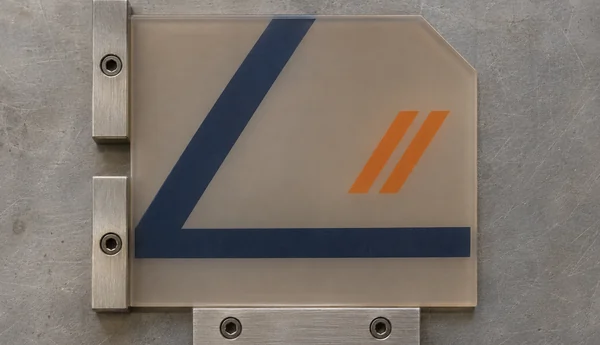
Name the features the buyer will measure. On a clear panel, that might be a front icon against a rear light-blocking area. On another job, both images may be measured from the same cut edge. Agree the reference, the measurement method and the allowable offset before the trial. If the job goes through die cutting or another downstream step that changes what the customer sees, define which checks happen before and after that step.
Use representative production material, inks and artwork on both sides. Agree the sample count and collection points, including enough sheets to expose refeed variation. Record the sheet orientation, drying or curing conditions and the measuring method. Record front-to-back position separately from print defects. A clean first face with a shifted second image is still a reject if it falls outside the agreed limit.
When comparing a separate second pass with an integrated turn, count only finished sheets that pass on both faces. A one-face press speed does not include turning, refeeding or rejects.
What to put in the quotation request
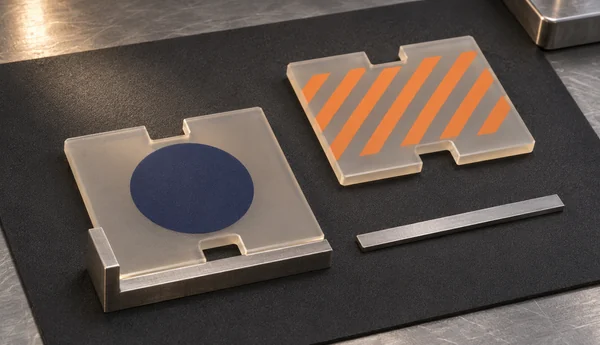
Send both face drawings and representative sheets from the intended stock. Include the ink and drying route, the finished alignment limits and the target output of acceptable sheets. Ask for a marked-up process flow, an itemized list of included and optional units, and a written trial plan. Attach your two-face drawing to the screen printing machine RFQ checklist, rather than leaving this requirement as “two colors” in the quote.
Winshol’s WL-5070PZ is a starting point for discussing work supplied as individual sheets. The catalogue lists a 500 mm maximum material width and a 500 × 700 mm maximum print area. Check the full sheet and the artwork on each face against those separate limits. The product page does not list an included dryer or sheet turner, or state a verified front-to-back tolerance. Have the quote identify any additional units and who is responsible for integrating them.
Frequently asked questions
1. Can a single-sided press screen print both faces of a plastic sheet?
Yes, as two passes, provided the supplier can turn and reload the sheet safely, locate it again and keep the first print intact through handling and the second drying or curing cycle. Ask to see that sequence on production stock.
2. Does a two-color screen printing machine print both sides automatically?
No. Two stations can print two colors on the same face. Ask the supplier to identify which face each station prints and what turns and re-registers the sheet, if that equipment is included.
3. Is reverse printing through clear plastic the same as double-sided printing?
No. In a typical reverse-print construction, ink is deposited on the rear face and viewed through the clear front. It is double-sided only if the drawing also calls for ink to be deposited on the front face.
4. Should the second-side artwork be mirrored?
It depends on how the artwork and drawing are viewed and how the sheet is turned. Label the viewing and printing sides, show the turnover edge on the drawing, and approve a proof with an asymmetric symbol or readable text before making the production screens.
5. Can both sides of the same plastic sheet use the same ink?
Only if it suits both actual surfaces and passes the agreed tests. Check with the ink supplier. Coatings, treatments, texture and the exposure each face will see in use can differ.
6. Must the first side be fully cured before turning the sheet?
Follow the ink supplier’s specified process. Agree the condition required for safe handling and refeeding, and confirm that the first print survives contact with the refeed setup and the next drying or curing cycle. A dry feel alone does not establish final cure or adhesion.
7. What should the front-to-back registration limit be?
Use the finished-part drawing and the effect a mismatch would have on the part. There is no generic tolerance to copy from the machine brochure. Agree the reference features, measurement method and sample plan, then verify them on the intended stock and workflow.
8. Is the Winshol WL-5070PZ a turnkey double-sided printer?
The WL-5070PZ is listed as an automatic sheet-fed press for individual sheets. The published scope does not list an included dryer or sheet turner, or a verified front-to-back tolerance. Ask for a written process flow, equipment list and trial before accepting a turnkey proposal.