


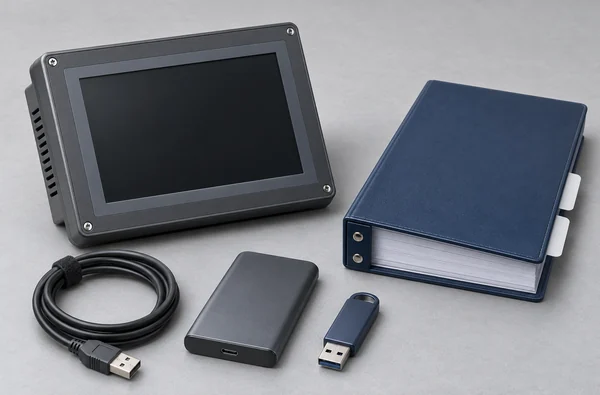
Define the recovery files, job recipes, versions and access rights needed for the purchased machine. Agree who may restore them and how the package stays current.

Build training around the tasks operators must practise on the purchased line. Agree job preparation, first-print checks, role-specific instruction and handover records.
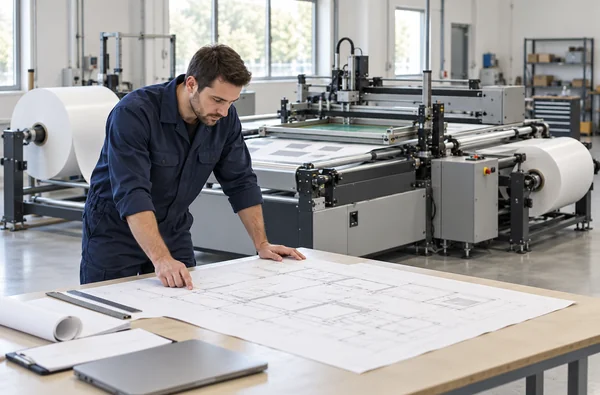
Check shipping dimensions and weights against the full route from unloading to the production floor. Assign handling responsibilities and record the receiving and installation handover.
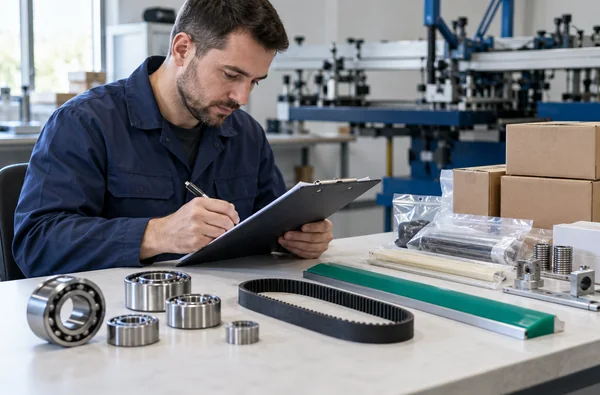
Build a configuration-specific parts list with order codes, compatibility notes and replacement responsibilities. Decide what to stock locally and distinguish dispatch time from recovery to production.
Measure the complete job change, not just screen replacement. Record preparation, operator time, trial waste and the checks required before releasing the next job.
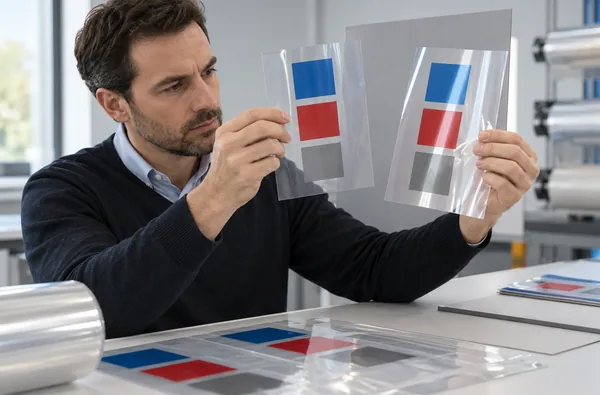
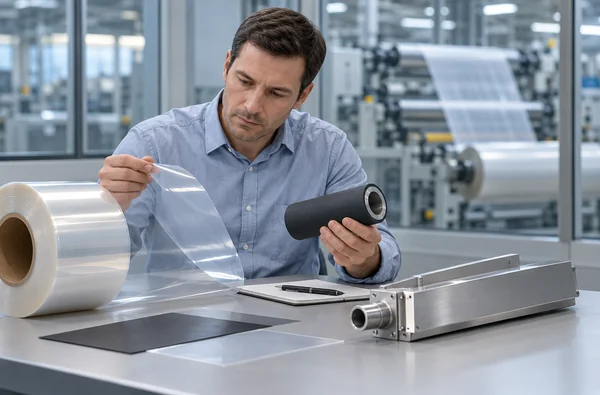
Define the color reference, sample construction and measurement method. Agree backing, instrument settings, Delta E formula and acceptance conditions before comparing film trials.
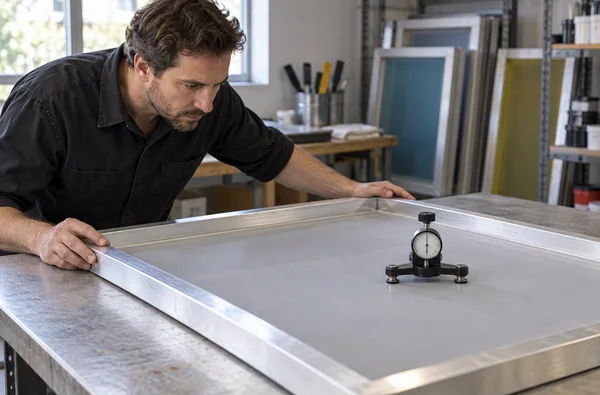
Poor screen release needs more than a gap adjustment. Record mesh tension and off-contact, then check their combined effect on print accuracy using production film.
Compare viscosity readings only with defined instruments, temperature and ink preparation. Distinguish shear thinning from thixotropy, and connect repeatable measurements to printed-film acceptance.
Compare contact and non-contact cleaning on production stock. Assess particle removal, surface protection, intermittent movement, maintenance access and the print produced after cleaning.
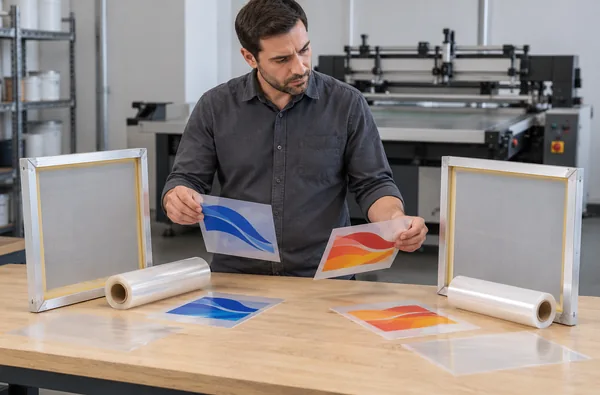
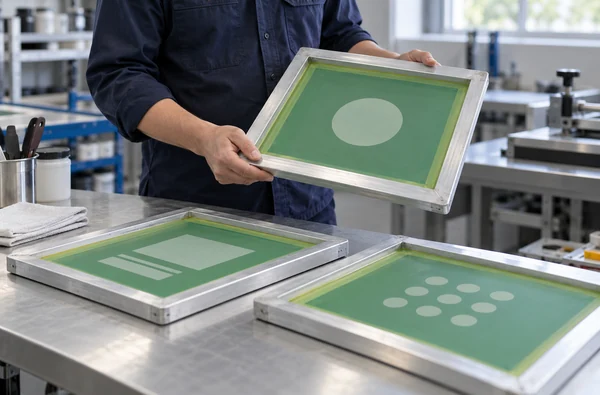
Specify more than mesh count: ink compatibility, dry stencil build, surface quality and exposure evidence. Inspect the finished screen and test durability during a representative run.