


An anti-static bar alone is not a specification. Locate the charge problem, distinguish grounding and cleaning, then agree placement, measurement geometry and acceptance checks.

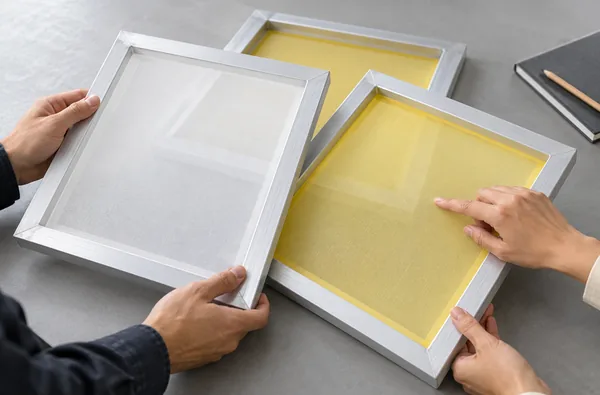
Equal mesh counts can produce different prints. Compare thread diameter, openings, weave and thickness with the ink and stencil; preserve the approved construction for repeat orders.
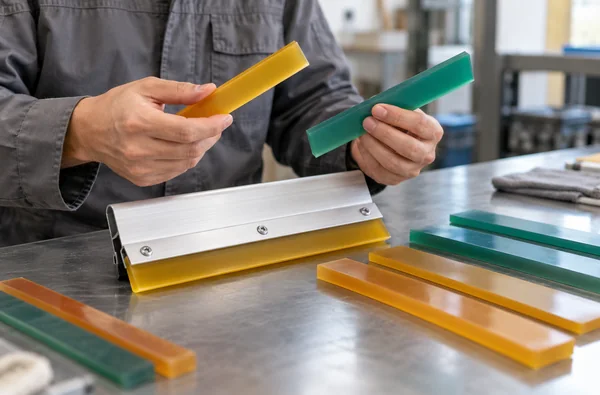
Hardness is only one blade parameter. Specify compound, construction, edge, dimensions and holder fit, then qualify chemical compatibility and the complete assembly against print requirements.
Diagnose screen-printed labels sticking in the roll. Separate ink blocking from adhesive bleed, then test UV cure, winding and stored reels.
Find the cause of pinholes in screen-printed labels. Separate stencil defects from missing ink, then test stock, ink, press settings and UV curing.
Find out why screen printing ink peels from PET film. Check the printable face, surface treatment, ink deposit and UV cure with a controlled trial.
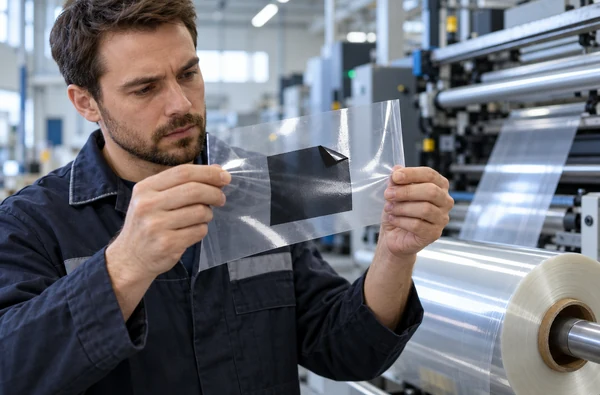
Compare screen printing machines for flexible packaging film. Check web width, print area, UV curing and cold foil before testing WL-6090D and WL-850D.
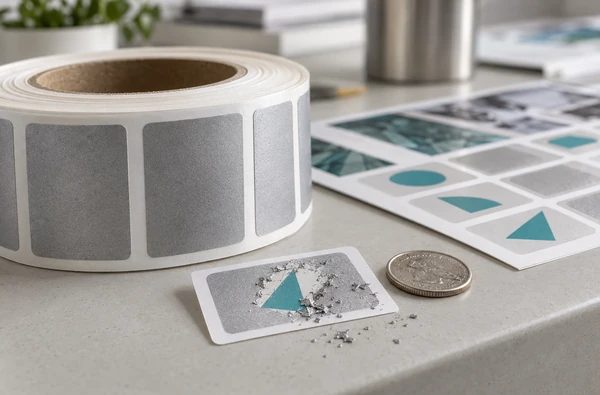
Choose a screen printing machine for scratch-off labels. Compare UV and solvent inks, seal coats, registration and Winshol models with a finished-label test.
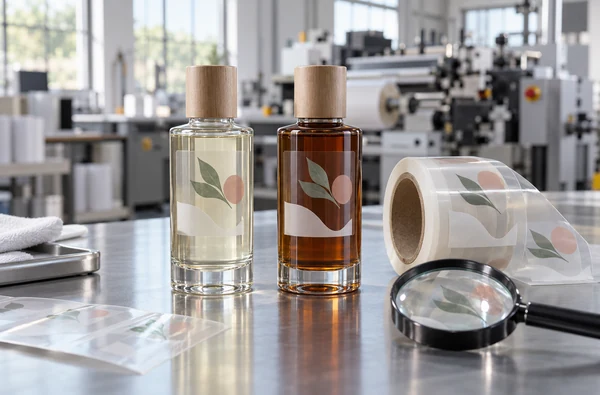
Choose a screen printing machine for clear labels. Compare white ink, registration, UV curing and Winshol models using material trials and applied-label checks.
Compare single-color and multicolor screen printing machines for labels. Review Winshol models, printing stages, registration, UV curing and job costs.